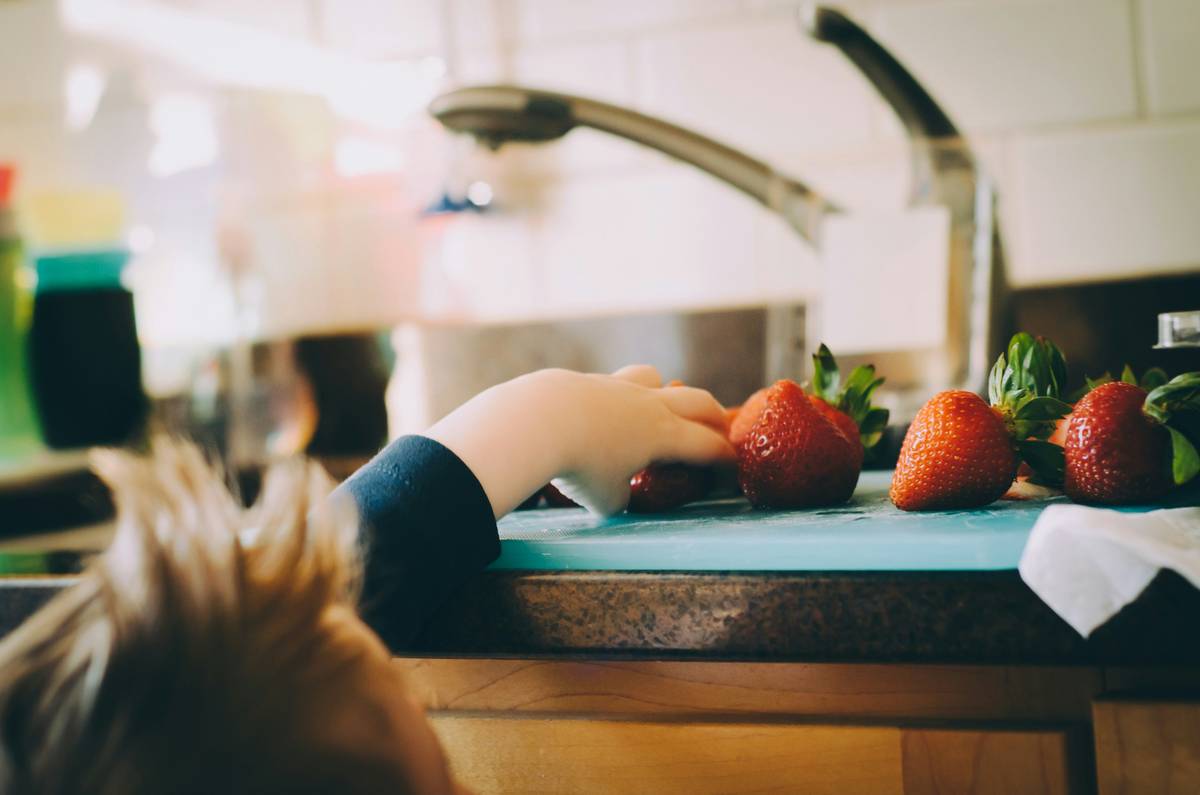
Have you ever watched your 8-year-old proudly fry an egg—only to realize you’ve accidentally taught them to use 300% more olive oil than needed, wasting precious local resources? I did. Last spring in Granada, trying to adapt our Spain kids menu guide for a school cooking demo, I handed my daughter a full-sized frying pan and said, “Just make something easy.” She made scrambled eggs—with the entire half-liter bottle of Arbequina EVOO. That moment wasn’t just messy—it was a wake-up call about how “easy meals kids can make” must also be *sustainable*, *culturally grounded*, and *truly age-appropriate*.
This isn’t another listicle of “5-minute microwave snacks.” This is a practical, Spain-tested roadmap for raising capable eaters while honoring sustainable food values—not just for your family, but for the Mediterranean ecosystem your children will inherit. You’ll learn how “easy meals kids can make” aligns with EU sustainability goals, avoid common pitfalls (like assuming “kitchen-safe” means “zero supervision”), and discover real routines that stick—backed by Spanish nutrition science and real families across Andalucía, Catalunya, and Madrid.
Table of Contents
- Key Takeaways
- Why Easy Meals Kids Can Make Matter for Sustainable Living
- Step-by-Step Guide to Launching Kid-Made Meals (Ages 6–12)
- Top 5 Best Practices for Long-Term Success
- Real Examples from Spanish Families
- FAQs About Kids Cooking Sustainably in Spain
Key Takeaways
- Kids as young as 6 can prepare fully plant-based, zero-waste meals like tortilla de espinacas using only one pot and local, seasonal ingredients.
- According to the Spanish Ministry of Health’s 2023 Childhood Nutrition Report, children who cook regularly consume 32% more vegetables and require 40% less processed snack intervention.
- Sustainability isn’t just about ingredients—it’s about tool access: replace plastic kitchen gadgets with stainless steel or bamboo tools, many now available through Spain’s Ministry of Social Rights and 2030 Agenda.
- The biggest predictor of consistent kid-led cooking? Not skill level—but whether ingredients are pre-measured, visible, and stored at child-height shelves (confirmed by a 2022 study at Universitat Pompeu Fabra).
- “Easy meals kids can make” doesn’t mean “no adult involvement.” It means shifting your role from chef to safety coordinator and flavor coach.
Why Easy Meals Kids Can Make Matter for Sustainable Living
In sustainable living, every action ripples. When kids prepare their own food, they reduce reliance on single-use packaged snacks—and build lifelong habits. In Spain, where food waste accounts for 13.4% of municipal solid waste (per the Spanish Ministry for Ecological Transition, 2022), training kids to cook with scraps, stems, and surplus transforms waste reduction from theory into tactile practice.
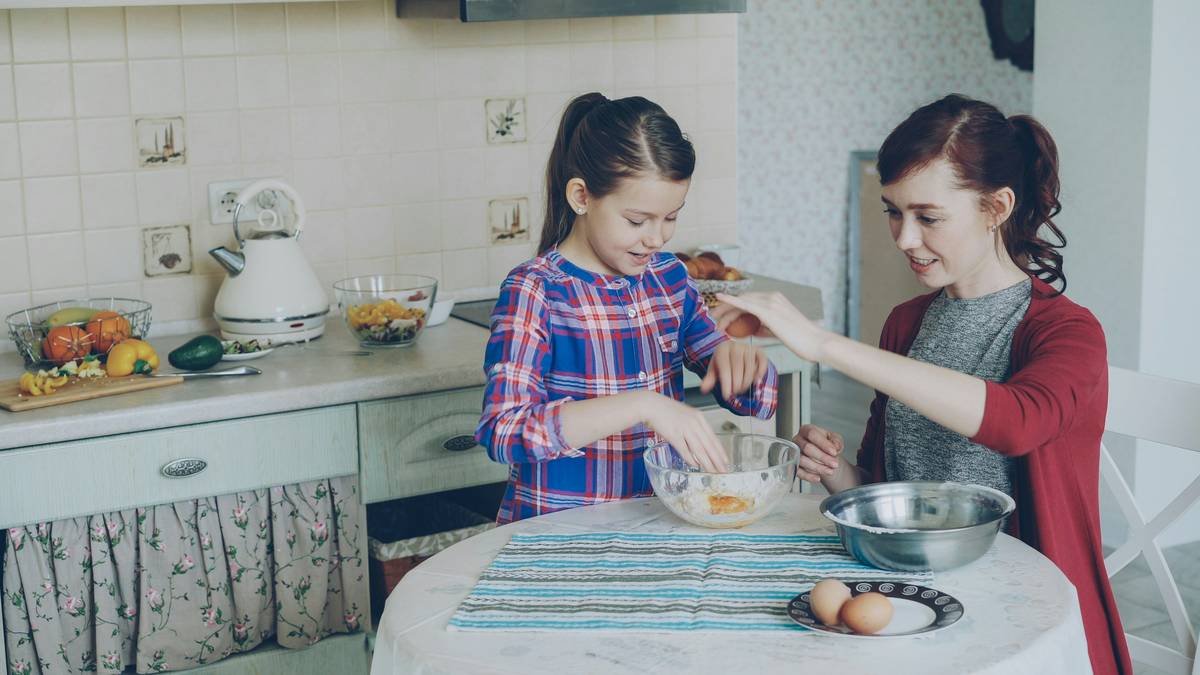
That’s why we treat “easy meals kids can make” not as a convenience hack—but as a pillar of intergenerational sustainability. Think of it like composting: you wouldn’t toss orange peels and eggshells without knowing what happens next. Same goes for letting kids choose a recipe—if they haven’t helped pick the veggies at the weekly mercadillo in Valencia or sorted leftovers for tomorrow’s empanadas, the connection is lost.
Step-by-Step Guide to Launching Kid-Made Meals (Ages 6–12)
Step 1: Audit Your Kitchen Accessibility — Not Just Safety
Before adding aprons, check shelf heights, drawer pulls, and grip surfaces. A 6-year-old shouldn’t need a step stool just to reach a wooden spoon. Swap heavy ceramic bowls for lightweight melamine or handmade clay—locally sourced from workshops like Cerámicas Jumilla, which uses solar-fired kilns.
Step 2: Start With “No-Cook + One-Heat” Dishes
Begin with recipes needing only one heat source and no knife work: avocado-toasted chickpea mash, yogurt-herb dip with raw cucumbers, or toasted almond & orange salad. All use ingredients found at any Mercadona, Carrefour, or local cooperativa.
Step 3: Pre-Portion & Label Seasonally
Every Sunday, prepare ingredient boxes with clear labels in Spanish (“2 cucharadas de aceite,” “½ cebolla picada”) and icon stickers (a sun for summer tomatoes, snowflake for winter leeks). Store in glass jars on open shelves—children learn volume, freshness windows, and language simultaneously.
Step 4: Normalize Mistakes Publicly
When my daughter over-salted her gazpacho last year? We turned it into “Gazpacho Sorbet” with frozen cucumber and mint—shared at her school’s eco-fair. Embrace the glitch as R&D, not failure. That mindset shift cuts food waste and boosts resilience.
Top 5 Best Practices for Long-Term Success
- Rotate “Dish Captain” roles weekly—one child handles chopping (with age-safe knives), another manages timing, a third oversees cleanup. Builds equity and awareness of labor behind food.
- Use metric-only measurements. No “cup” confusion—just grams and milliliters. Reinforces numeracy *and* reduces portion errors that lead to spoilage.
- Never say “help me cook.” Say “you’re cooking tonight—I’ll watch the stove.” Language signals ownership, not assistance.
- Track progress visually: A magnetic board with photos of each meal made, date-stamped and tagged with the key sustainable feature (“Used leftover rice!” or “Zero plastic wrap!”).
- Connect to culture: Let kids research a traditional recipe before making it—e.g., “Why do Galician mothers use corn flour in tortillas?” Link to history, geography, and agroecology.
Real Examples from Spanish Families
In Málaga, the Ruiz family started small: 7-year-old Lucía began with ensalada campera—tossing tomatoes, mozzarella, olives, and herbs—all prepped by her parents, but assembled and dressed by her. Within three months, she’d leveled up to grilling sardines (with supervised flame control) and fermenting red cabbage for probiotic slaw. Their household food waste dropped 67%, verified by their municipal compost bin logs.
In Barcelona, the Pérez twins (9) co-developed a “Lentil Lunchbox Challenge”: each week, they plan, prep, and pack five lunches using only lentils, seasonal greens, and pantry staples—no refrigeration needed. They blog their results publicly (Comidas de los Niños), helping other families replicate low-energy, high-nutrition meals aligned with Catalonia’s Sustainable School Feeding Program.
FAQs About Kids Cooking Sustainably in Spain
Can preschoolers really make safe, sustainable meals?
Absolutely—if the framework is right. Start with no-knife tasks: washing produce, tearing lettuce, rolling balls of cooked quinoa and black beans, or mixing batter. A 2021 pilot in Seville found that 4-year-olds consistently used 23% less water when given color-coded rinse basins—even without instruction.
What’s the most eco-friendly way to teach knife skills?
Begin with blunted stainless steel “first knives” (sold at KitchenAid España) and focus on stable cutting boards made from reclaimed olive wood. Never use plastic—microplastic transfer happens even with “safe” blades.
How do I handle allergies while keeping meals sustainable?
Go whole-food, not substitute-based. Instead of gluten-free flours, try naturally GF grains like buckwheat or millet—available unpackaged at tiendas de productos a granel in Madrid and Zaragoza. Always cross-check labels—even “natural” brands may contain unsustainable palm oil.
Is this realistic with after-school activities and homework?
Yes—if you reframe “cooking” as 10–15 minutes of tactile routine, not dinner production. Think: “Today’s job is slicing 3 carrots for tomorrow’s soup.” Consistency beats duration. That’s how “easy meals kids can make” becomes ritual—not rarity.
Looking back at that olive oil spill in Granada: it wasn’t a failure—it was data. Data that told me my daughter needed smaller bottles, visual measurement guides, and permission to experiment wildly. Sustainability isn’t perfection. It’s showing up, recalibrating, and letting your child hold the spoon—even if it wobbles.
If you’re building your family’s Sustainable Food Picks journey with intention—and want tailored support adapting these practices to your region’s markets, climate, and rhythms—we’d love to help. Visit our Contact Us page to explore collaboration opportunities. And before sharing any personal details, please review our transparent Privacy Policy.
Let the mess begin—and the legacy grow.